Recent changes to this page have not yet been reviewed by moderators
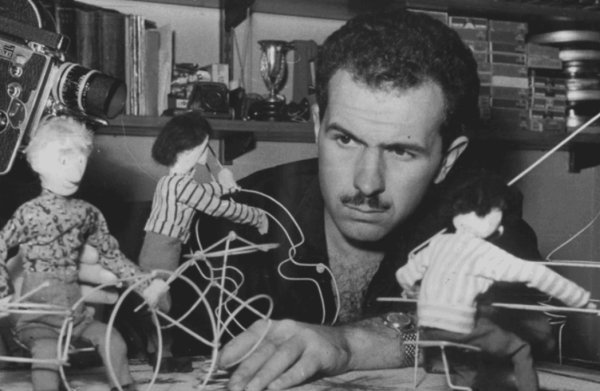
Carlos González Groppa was the most prominent Argentine puppet animator of the 1950s and 1960s. His short films, which have won awards at various international festivals, combine humor with romance in stories that often feature young women interacting with their puppets as equals, with or without a happy ending. In this early phase of his filmography, influenced by the music of jazz masters such as Errol Gardner, Stan Kenton and Roy Eldridge, the puppets often appear as performers playing stylized musical instruments, outlined in wire. In his stories, love knows no barriers between human beings (always girls) and these small beings, masterfully animated frame by frame. These works earned him worldwide recognition, while he was also making short films about Argentine visual artists such as Libero Badii, El día, la noche, Murales de Seoane or Mundo plástico de Francisca de los Reyes, among others. After running his own advertising film production company and working on several unfinished projects (such as bringing Landrú’s characters to TV, as well as a couple of miniseries), he settled in Mexico, where he was able to continue his work and even make his feature film debut with La odisea de los muñecos. Now retired from the audiovisual industry, he has lived in Los Angeles for years. There, he devotes his time to researching and promoting tango through the magazine he publishes.
Images (1)
Directed by
Carlos González Groppa